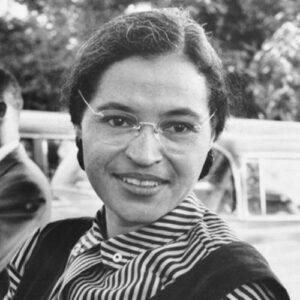
In the vast tapestry of American music, few threads shimmer as vibrantly as that of the legendary Bessie Smith. Known as the “Empress of the Blues,” her voice flowed like a river, deep and wide, carving its way through the hearts and souls of listeners. The pain, passion, and resilience embedded in her songs not only transcended time but also laid the cornerstone for future genres. Here are ten soulful and legendary facts about Bessie Smith that unravel the intricacies of her enigmatic life and enduring legacy.
1. A Phoenix from Poverty
Born in Chattanooga, Tennessee, in 1894, Bessie Smith rose from the ashes of a humble beginning. Orphaned by the age of nine, she navigated the tumultuous waters of life with tenacity. This struggle, rather than extinguishing her spirit, embroidered the foundation of her artistry, infusing her voice with the authenticity born of hardship and resilience. She turned her early struggles into rich musical narratives that resonated deeply with her audience.
2. The Mythical Influence of Ma Rainey
Before the world came to know Bessie, it was Ma Rainey who illuminated the path of blues. Rainey, also known as the “Mother of the Blues,” mentored Bessie and influenced her deeply, thus threading their legacies together like a beautifully woven tapestry. Their performances together showcased Bessie’s astounding vocal prowess and laid the groundwork for her future solo career, marking a pivotal moment in the evolution of blues music.
3. Unyielding Spirit of Authenticity
Truth is the cornerstone of Bessie Smith’s artistry. Her songs were imbued with raw emotion—love, heartbreak, betrayal—mirroring the human experience. Unlike many performers of her time, she remained steadfast in her identity and refused to soften her sound to fit commercial expectations. This authenticity fostered a connection with her audience that transcended barriers, echoing long after the albums faded from record players.
4. A Trailblazer for Inclusivity
Bessie Smith was not just an exceptional artist; she was a pioneer for inclusivity in music. Her performances drew diverse audiences, breaking down racial and social barriers long before the Civil Rights Movement took center stage. Dancing and singing along, patrons of all races gathered in soulful communion, united by the spellbinding power of her voice. Bessie’s ability to touch the core of the human experience rendered her a catalyst for change in the landscape of American music.
5. The Groundbreaking “St. Louis Blues”
Among her many recordings, the iconic “St. Louis Blues” stands as a testament to her groundbreaking talent. Released in 1925, this track became a cultural phenomenon that propelled her to international stardom. The fusion of melancholic lyrics and haunting melodies mirrored the bluesy essence of life’s struggles. Its ethereal charm and emotional depth captured the zeitgeist of an era and continue to influence musicians to this day.
6. Stardom Fuelled by the Jazz Age
The 1920s were a period of transformation in the music industry, and Bessie Smith rode the wave of the Jazz Age with grace and audacity. As the roaring decibels of jazz filled speakeasies, her contributions to the genre were profound. She collaborated with renowned jazz musicians, each collaboration echoing the symphony of the era and propelling her unique sound further into the spotlight, heralding a new age for women in the music industry.
7. Cinematic Portrayal and Legacy
Bessie’s life did not end with her passing in 1937; rather, it soared into the realm of cinematic storytelling. In 2015, the film “Bessie,” starring Queen Latifah, immortalized her legacy, inviting a new generation to explore her heartfelt journey through music. This portrayal gave not only a voice to her narrative but also introduced her soul-stirring melodies to an audience unfamiliar with the blues, ensuring her place in the annals of history.
8. A Soulful Clamor for Justice
Beyond her musical accomplishments, Bessie Smith’s life was steeped in the struggle for equality. Her presence challenged societal norms and she used her platform to subtly advocate for social justice. In her lyrics, she wove the experiences of African Americans into a beautiful and haunting tapestry, exuding passion for justice, dignity, and recognition. Her artistry became a foundational block for future performers who would follow in her footsteps, furthering the conversation of civil rights through the universal language of music.
9. A Voice Beyond Eras
Even decades after her death, Bessie Smith’s influence reverberates through the music world. Artists from diverse backgrounds and genres have cited her as a significant inspiration. The emotional clarity of her blues not only paved the way for jazz but also foreshadowed the development of rhythm and blues, rock, and beyond. Her melodies still seep into today’s music, proving that true artistry knows no expiration date.
10. The Eternal Echo of the Empress
In the grand concert of history, Bessie Smith remains an enduring echo. Her journey from humble beginnings to becoming the “Empress of the Blues” is a story of resilience, artistry, and cultural significance. With a voice that has transcended generations, she crafted songs that remain potent in their depiction of the human experience. Bessie Smith didn’t merely sing; she laid bare the very essence of life, capturing the spirit of an era and illuminating the path for countless artists who followed in her formidable footsteps.
In conclusion, Bessie Smith was more than an icon; she was a movement, a voice, and a heart laid bare. As we reflect on her life and legacy, it becomes abundantly clear that her soulful melodies are not simply sounds but rather timeless stories of joy and sorrow, of strength and vulnerability. The Empress of the Blues will forever reign in the hearts of those touched by her music, her narrative continuing to inspire souls worldwide.