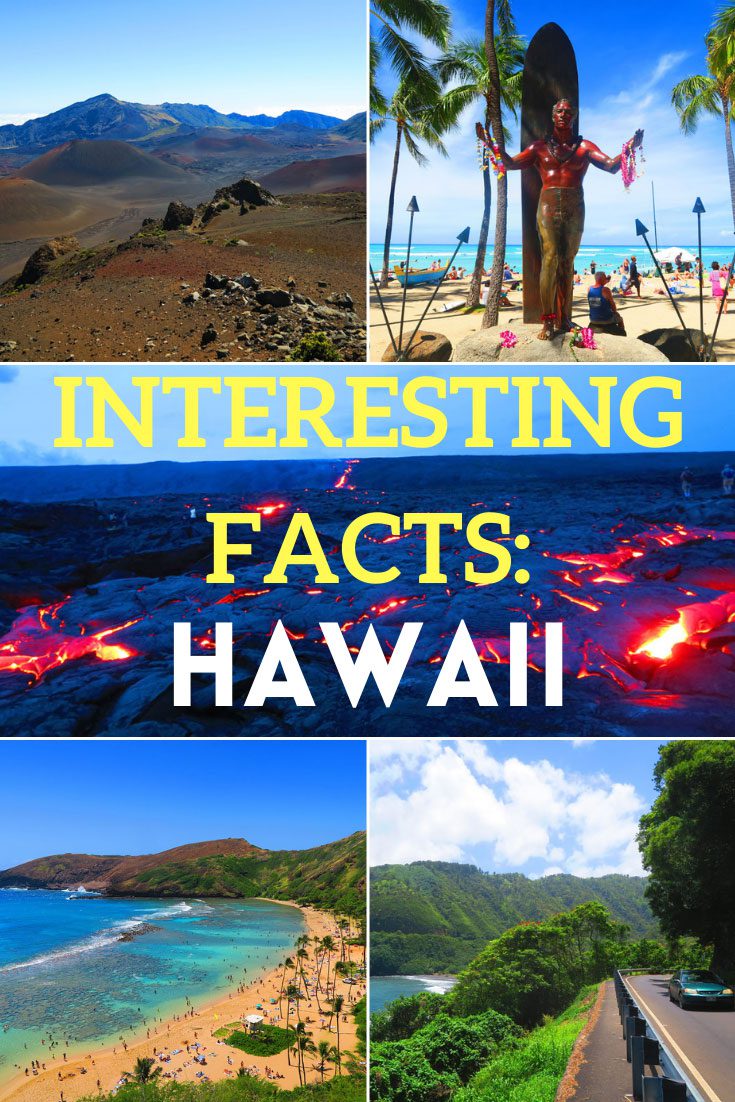
Hawaii, a remote archipelago nestled in the vast expanse of the Pacific Ocean, is a tapestry woven with rich history, diverse ecosystems, and unparalleled beauty. Beyond its picturesque beaches and gentle waves, it holds secrets and stories that beckon exploration. Here are ten intriguing facts about Hawaii that will not only deepen your understanding but also stir a sense of wonder about this enchanting paradise.
1. A Ring of Fire
Hawaii is situated atop the Pacific Ring of Fire, a geologically active zone teeming with volcanic activity. The islands themselves are the summits of massive underwater mountains, formed by the eruptions of the Hawaiian hotspot. This hotspot continues to create new islands, with the youngest being the volcanic island of Lo’ihi, which is yet to breach the water’s surface. While the islands themselves are a testament to geological majesty, the eruptions that shaped them remind us of nature’s unpredictable forces.
2. A Unique Ecosystem
The biodiversity of Hawaii is nothing short of remarkable. Approximately 90% of the native species found in Hawaii are endemic, meaning they are not found anywhere else on Earth. From the vibrant Hawaiian honeycreepers to the delicate silversword plant, these unique organisms reflect an evolutionary tale marked by isolation. The islands are not just a home for these species; they are a living laboratory of adaptation and survival where the dance of life unfolds in vibrant colors.
3. The Only U.S. State Not Located in North America
Geographically isolated, Hawaii takes on the identity of a foreign but familiar land. It is the only U.S. state located entirely in the Southern Hemisphere and the only one formed from volcanic activity. This remoteness has engendered a culture that is a vivid blend of Polynesian heritage steeped in the waves of oceanic navigation, ensuring that the spirit of Aloha transcends its geographical boundaries.
4. An Abundance of Languages
While English is predominantly spoken, the rich tapestry of languages in Hawaii is indicative of its diverse cultural heritage. Hawaiian, a language with only 13 letters, carries deep meaning and history. Local dialects and slang interweave fascinatingly with English, creating a linguistic landscape as vibrant as its flora. Understanding this linguistic diversity enriches the experience of engaging with the local culture, embodying the island’s spirit through its words.
5. Birthplace of Surfing
Surfing, often referred to as the sport of kings, has its roots in the Hawaiian Islands. Ancient Polynesians rode the waves long before modern boards and competitions surfaced. The tradition is woven into the fabric of Hawaiian culture. It symbolizes a harmonious relationship between humans and the ocean, a dance of skill and passion that draws adventurers from around the globe to its legendary shores. Oahu’s North Shore, with its colossal swells, stands as a testament to this storied pastime.
6. Home to the World’s Most Active Volcano
Hawai’i Volcanoes National Park encompasses Mauna Loa, the largest active volcano on the planet. Its sheer size and continual lava flows exemplify the Earth’s continuous cycle of creation and destruction. A visit to this site not only reveals geological wonders but also invites contemplation of the earth’s dynamic processes. The awe-inspiring sight of molten lava spilling onto the island’s surface is a visceral reminder of nature’s power.
7. The Spirit of Aloha
More than a simple greeting, “Aloha” encompasses a philosophy that permeates Hawaiian culture. It conveys love, compassion, and a sense of responsibility towards others and the environment. Aloha is not just about politeness; it is a way of life that promotes harmony within the community and with nature. Experiencing this spirit is essential to truly understanding what it means to be Hawaiian, elevating a visit to an immersive journey.
8. A Unique Political Status
Hawaii is the only U.S. state that was once a sovereign nation. The Kingdom of Hawaii was established in 1810 and existed until its overthrow in 1893. The reeling narrative of colonization and cultural preservation enriches the island’s history. Today, the spirit of the Hawaiian monarchy still lingers in cultural practices, land rights movements, and the continued revitalization of the Hawaiian language.
9. An Astounding Range of Climates
Hawaii is often imagined as a sun-drenched paradise, but it showcases an incredible array of microclimates. From the rainfall-soaked forests of Hilo on the Big Island to the arid landscapes of Kihei on Maui, the islands boast a bewildering variety of ecosystems in a compact space. This climatic diversity fosters unique experiences, where one can transition from sunbathing to hiking through lush forests in a matter of hours.
10. The Practice of Hula
The Hula dance is an expressive art form that tells stories through movement, deeply intertwined with the history and culture of Hawaii. With roots tracing back to ancient times, it symbolizes religious devotion, genealogy, and the beauty of nature. As a living tradition, Hula not only preserves the essence of Hawaiian culture but continues to evolve, embodying the heart and soul of the islands. Witnessing a Hula performance offers a glimpse into the profound connection between the land and its people.
In conclusion, Hawaii is a realm unlike any other. Its myriad of geographical and cultural facets coalesce to create an extraordinary destination that resonates deeply with those who take the time to explore its depths. Embracing its rich history, biological diversity, and unique societal constructs invites a profound appreciation for this mesmerizing archipelago.