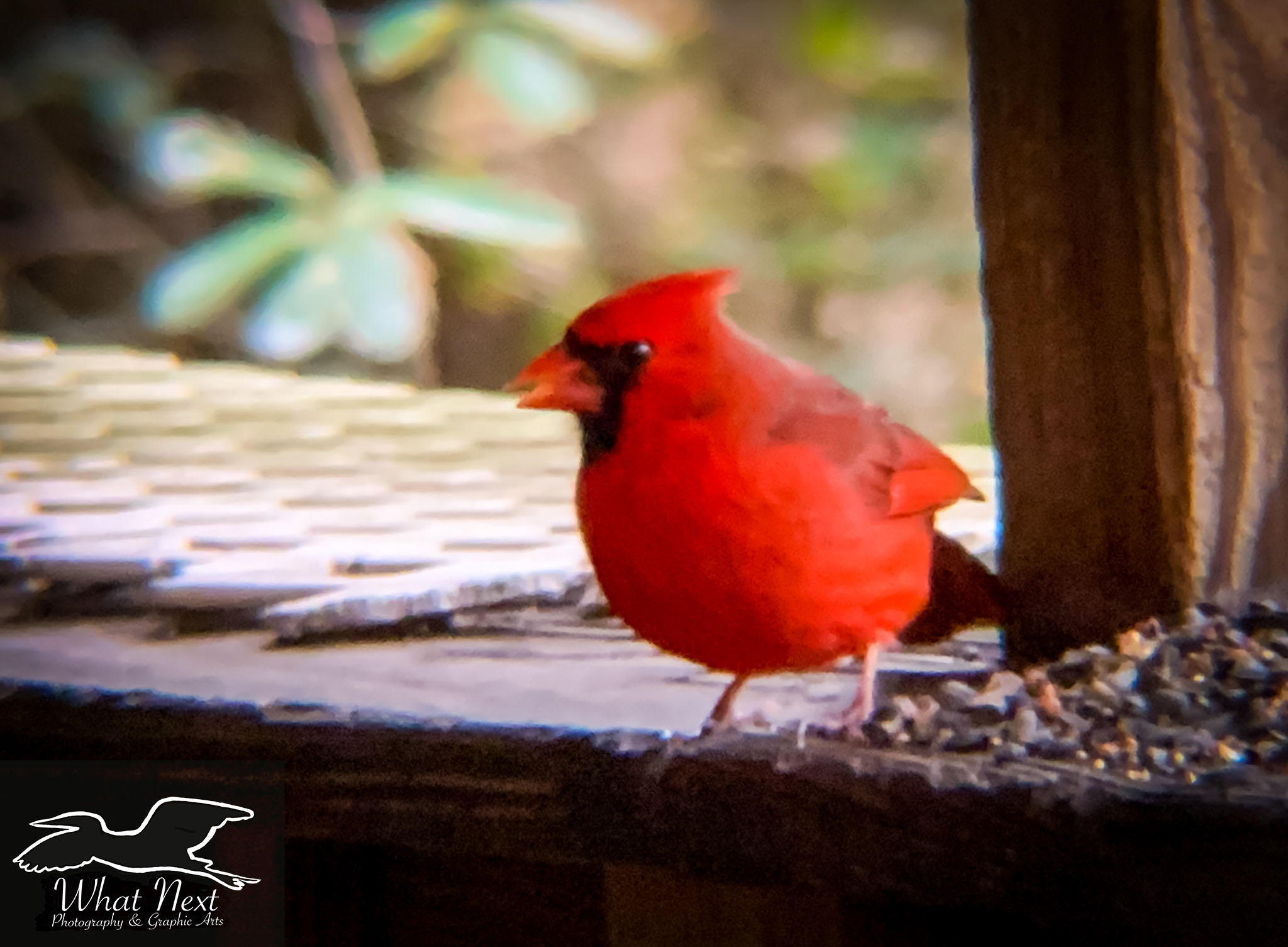
Cardinals are not merely avian residents of the Americas; they are vibrant symbols of vitality and intrigue. With their striking plumage and melodious calls, these birds captivate both seasoned birdwatchers and casual observers alike. This listicle delves into 10 interesting facts about these bold birds, exploring their remarkable characteristics and behaviors that contribute to their unique appeal.
1. A Palette of Passion
The male Northern Cardinal flaunts a vivid crimson coat, a hue so vibrant it could rival the flames of a fireplace. This brilliant red is most prominent during the breeding season, acting as a lure to attract females. The stark contrast between the male’s bold coloration and the more subdued tones of the female, which sports a warm brown with touches of red, epitomizes the dynamics of sexual selection in nature.
2. A Vocal Virtuoso
Cardinals are not just sights to behold; they are also a symphony of sounds. Their repertoire includes a myriad of whistles, trills, and chirps, each carrying a distinct meaning. Males use their vocal prowess to establish territory and attract mates, while females may employ specific calls to communicate with their partners or warn of potential threats. The cardinal’s song, a melodious declaration of its presence, adds a lyrical element to the environments they inhabit.
3. The Master of Adaptation
Resilient and resourceful, cardinals have adapted adeptly to various habitats, from dense woodlands to urban landscapes. Their versatility allows them to thrive across a broad range of environments, which is a testament to their innate sense of survival. This flexibility in habitat choice has enabled them to maintain stable populations despite the encroachment of human development.
4. A Family Affair
Cardinals are known for their strong familial bonds. During the breeding season, both the male and female share in the rearing of their young. The male will often bring food to the female while she incubates the eggs, demonstrating a commitment rarely seen in the avian world. Once the chicks hatch, both parents continue to forage for food to ensure the chicks’ survival, showcasing a heartwarming example of cooperation.
5. More Than a Meal
Primarily seed eaters, cardinals have a particular fondness for sunflower seeds and millet, but they also indulge in berries, fruits, and even insects. Their stout, conical beaks are adept at cracking open seeds, allowing them to efficiently access the nourishment within. Interestingly, their diet varies with the seasons, revealing their adaptability in aligning with nature’s cyclical bounty.
6. A Feathered Icon
The cardinal holds a special place in various cultural narratives and symbolizes hope, vitality, and love across different traditions. In many regions, a sighting of a cardinal is often interpreted as a messenger from the spirit world, particularly from loved ones who have passed away. This cultural significance adds another layer to the bird’s enigmatic appeal, reinforcing its status as a cherished emblem of the avian order.
7. The Color Changing Chameleon
Interestingly, the coloration of cardinals can change based on their diet and overall health. In times of ample food supply, their plumage can appear even more vibrant, while poor nutrition may lead to a duller appearance. This connection between diet, health, and coloration acts as an indicator of a cardinal’s overall well-being and resilience in the wild.
8. Social Butterflies of the Bird World
While male cardinals are often perceived as solitary creatures, they are rather social during the non-breeding season, frequently forming small flocks. These gatherings not only aid in foraging but also provide safety in numbers, a strategy that billion-year-old survival instincts have firmly established across species. Observing a flock of cardinals can be an awe-inspiring sight, as the flashes of red flit and swirl through the trees.
9. The Pursuit of Territory
Cardinals are territorial by nature, particularly during the breeding season. Males will vigorously defend their space from rivals, often engaging in dramatic displays or confrontations to assert dominance. This behavior, while aggressive, is also a testament to their spirited personalities and indomitable will, qualities that endear them to birdwatchers.
10. Longevity and Lifespan
Cardinals possess a remarkable longevity for birds of their size. In the wild, they typically live for about 3 to 5 years, but some individuals have been recorded living over a decade. Factors contributing to their lifespan include their excellent adaptability to various environments and their innate ability to evade predators. Their resilience and tenacity shine as a reflection of their overarching boldness in both personality and presence.
In conclusion, cardinals encompass a rich tapestry of characteristics that render them a captivating subject for observation and admiration. From their vibrant hues and melodic calls to their exciting behaviors and social structures, these birds embody both beauty and complexity. Whether a fleeting flash of red in the yard or a resounding song echoing through the trees, cardinals leave an indelible mark on the landscape of both nature and human culture.