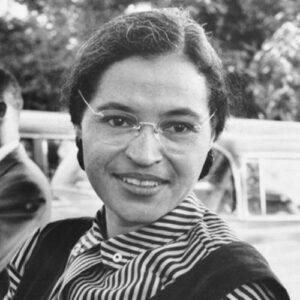
Harriet Tubman, an indomitable figure in American history, epitomizes courage and resilience. Born into the shackles of slavery, she transcended her circumstances to become a symbol of freedom and justice. As we unveil ten inspiring and brave facts about this remarkable woman, consider: how well do you know her story? Are you prepared to delve deeper into the life of someone who risked it all for the sake of liberty? Let’s embark on this journey through the extraordinary life of Harriet Tubman.
1. From Slave to Freedom Fighter
Harriet Tubman, born Araminta Ross in Maryland around 1822, experienced the cruel realities of slavery firsthand. She escaped to freedom in 1849, but rather than enjoying her newfound liberty, she chose to return to the South multiple times. This remarkable decision led to the rescue of approximately 70 enslaved individuals via the Underground Railroad—a perilous network she navigated with an unwavering resolve. Can you imagine risking your freedom to save others?
2. The Conductor of the Underground Railroad
As a conductor of the Underground Railroad, Tubman developed an extensive knowledge of the geography of slave-holding states. Armed with this knowledge and a fierce determination, she crafted intricate routes through forests, mountains, and rivers, often traveling under the cover of darkness. The challenges she faced were monumental—escapes had to be conducted with precision and stealth, lest they fall into the hands of their pursuers. Every rescue was a testament to her bravery and cunning.
3. A Woman of Many Talents
Harriet Tubman was not merely a conductor; she was also a skilled nurse and armed scout during the Civil War. Serving as a spy for the Union Army, she played an instrumental role in gathering intelligence and leading raids that liberated slaves. Tubman’s ability to adapt and thrive in complex environments showcased her exceptional wit and strategic mind. Her experiences transcend mere survival; they reflect her relentless pursuit of a just cause.
4. An Icon of Abolition
Tubman’s influence extended far beyond her rescues. She became a prominent figure in the abolitionist movement, aligning herself with luminaries such as Frederick Douglass and Susan B. Anthony. Spearheading efforts for women’s rights and racial equality, her voice resonated at a time when both issues were often marginalized. She was not simply a participant in a movement; she was a formidable leader who galvanized others to join the fight for justice.
5. The Stories of Escape
The harrowing tales of Tubman’s escapes are legendary. One particularly daring mission involved her rescuing her own family members. With a burning determination akin to a mother’s instinct, she bravely ventured back to her birthplace to retrieve her brothers and guide them to safety. Each return to the South elevated the stakes, and yet Tubman persisted, representing the undying hope for those still entrapped in bondage.
6. The ‘Moses’ Metaphor
A fitting moniker, some referred to Tubman as “Moses,” likening her to the biblical figure who led the Israelites to freedom. However, Tubman’s journey was fraught with far more tangible danger—the threat of capture, violence, and death loomed at every corner. Unlike the biblical compass, her path was often uncharted and paved with obstacles. How did a woman of her stature embrace such immense risk in pursuit of noble ideals? The answer lies in her unwavering commitment to her cause.
7. An Encounter with the Law
While Tubman’s actions in aiding fugitive slaves were heroic, they were also illegal under the Fugitive Slave Act of 1850. This law mandated the return of escaped slaves, placing her in constant danger. She faced potential arrest for each escape she facilitated. This stark reality accentuates her bravery—not only did she defy societal norms, but she did so while understanding the severe consequences. Her resilience serves as a clarion call to challenge injustice.
8. A Visionary Beyond Her Time
Beyond her activism, Tubman envisioned a world where equality prevailed. Her pursuits laid the groundwork for the subsequent civil rights movements. Even after the Civil War, she continued her activism, speaking out against racial discrimination and advocating for women’s suffrage. Tubman’s foresight and determination beyond her time speak to her extraordinary intuition and foresight in recognizing the systemic nature of oppression.
9. Life after Emancipation
Though the Civil War ended and slavery was abolished, Tubman’s struggles were far from over. Living in poverty despite her monumental efforts, she established the Harriet Tubman Home for the Aged in Auburn, New York. This sanctuary provided care for elderly African Americans, showcasing her lifelong commitment to community support. Her work was not rooted solely in glory but was driven by immense compassion for her fellow human beings.
10. The Legacy of Courage
Harriet Tubman’s legacy continues to inspire generations today. From her role in transforming the narrative of African American resilience to her influence on movements advocating for equality, she remains a beacon of hope. Statues, literature, and educational programs honor her contributions, inviting us to remember her story and strive for justice. But here’s a challenge: how can you carry forward Tubman’s legacy in your own life? What courageous action can you take to stand up against injustice?
As we reflect on the life of Harriet Tubman, we realize she was more than just a historical figure; she was a fearless warrior for freedom, justice, and equality. Tubman’s journey offers invaluable lessons that resonate deeply in our contemporary landscape. Let her story kindle a fire within you to advocate for change and remain steadfast in the face of adversity. The spirit of Harriet Tubman is alive today; are you ready to fight for what is right?