Nebraska, often overlooked on the map of American travel destinations, is a state pulsating with a captivating tapestry of culture, history, and natural wonders. While many envision vast plains and agricultural landscapes, there lies an intricate depth to Nebraska that beckons exploration. Here are ten fascinating facts that illuminate the unique character of this Midwestern state, revealing why it deserves a closer look.
1. The Birthplace of Arbor Day
Established in Nebraska City in 1872, Arbor Day is a celebration dedicated to planting and nurturing trees. J. Sterling Morton, a prominent figure in Nebraska’s agricultural history, championed the initiative to encourage tree planting in the Great Plains. The event has since blossomed into a nationwide observance, underscoring Nebraska’s commitment to environmental stewardship and conservation.
2. A Geological Wonderland
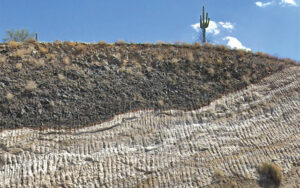
Its diverse landscapes are a treasure trove for geology enthusiasts. From the majestic Sand Hills — the largest dune formation in North America — to the rugged formations of the Niobrara River, Nebraska showcases an array of geological phenomena. This varied terrain not only illustrates the state’s geological history but also attracts numerous outdoor adventurers eager to explore its beauty.
3. Home of the World’s Largest Ball of Stamps
Located in a small post office in Boys Town, Nebraska, sits a spectacle that typifies American eccentricity — the world’s largest ball of stamps. Weighing in at over 600 pounds and consisting of more than 4.5 million postage stamps, this quirky attraction exemplifies Nebraska’s spirit of creativity and community involvement. It serves not only as a tourist photo op but as a testament to the ingenuity of everyday people.
4. The Sand Hills: A Hidden Ecosystem
Spanning over 19,000 square miles, the Sand Hills region is more than just a striking landscape; it is an ecosystem teeming with life, including unique flora and fauna adapted to its sandy soils. The area is primarily home to ranches that promote sustainable grazing practices, making it a critical area for both wildlife preservation and agricultural innovation. The Sand Hills reveal a delicate balance between nature and human stewardship.
5. Historical Significance of Fort Omaha
Established in 1868, Fort Omaha played a pivotal role in the westward expansion of the United States. It served as a base for military operations and later became a center for Native American affairs. Today, the fort is preserved as a historical site, showcasing the complexities of Nebraska’s past and the interactions between diverse communities that have shaped the state.
6. A Culinary Gem: Runza
No journey through Nebraska is complete without savoring the iconic Runza, a delectable pastry filled with a mixture of seasoned beef, cabbage, and onions. This beloved dish reflects the state’s rich German heritage and agricultural bounty. Originating from the 1940s, Runza has evolved into a culinary symbol of Nebraska, often eliciting nostalgia among locals and curiosity among visitors.
7. A Hub for Innovation at Nebraska’s Research Universities
Nebraska is home to several prestigious universities, including the University of Nebraska-Lincoln, which is recognized for its research initiatives in agriculture, engineering, and the sciences. The state’s commitment to education and innovation fosters an environment ripe for technological advancements and entrepreneurship. This investment in intellect and creativity positions Nebraska as a vital contributor to national discourse on agriculture and environmental issues.
8. The Strategic Importance of the Oregon Trail
The Oregon Trail, a historic route that spanned from Missouri to Oregon, meandered through Nebraska, influencing the state’s development. This trail was instrumental in the migration of pioneers during the 19th century, leading to Nebraska’s admission as a state. Today, remnants of the Trail can still be explored, providing a poignant reminder of the courage and determination that shaped the American frontier.
9. The Unique Flora: The Nebraska State Flower
Recognized as the state flower, the goldenrod flourishes in Nebraska’s prairies, symbolizing resilience and the natural beauty of the state. Its bright yellow blooms are not just visually appealing; they are essential for pollinators, thereby playing a crucial role in the ecosystem. The prevalence of goldenrod serves as a reminder of the interconnectedness of nature and the importance of preserving local flora.
10. The Unwavering Spirit of the Cornhusker State
The nickname “Cornhusker State” embodies Nebraska’s agricultural prowess, particularly in corn production. However, it extends beyond mere farming; it reflects a collective identity rooted in hard work, perseverance, and community. The annual Nebraska State Fair is a manifestation of this spirit, celebrating local agriculture, culinary offerings, and cultural heritage, showcasing the pride that Nebraskans have in their roots.
In conclusion, Nebraska presents itself as a mosaic of history, innovation, and natural beauty. Each fact exemplifies a layer of the state that, when pieced together, forms a vivid portrait of what it means to be a Nebraskan. From its cultural contributions to its environmental treasures, Nebraska stands as a reminder of the richness that lies beyond the well-trodden paths of American travel. For those willing to explore, an unforgettable experience awaits in the heartland of the United States.