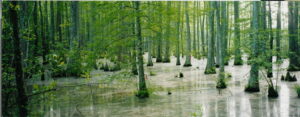
The West region of the United States unfurls like a grand tapestry, interwoven with the threads of majestic deserts and untamed wilderness. Each facet of this vibrant landscape tells a story—a narrative etched into the very bones of mountains, valleys, and expansive skies. This is an exploration of the West that reveals 10 intriguing facts, each a pearl in the necklace of its natural wonders, enveloping us in the mystique of its awe-inspiring beauty.
1. The Great Basin: A Mirage of Mystery
The Great Basin, an arid expanse spreading across Nevada and parts of surrounding states, is like a labyrinth of unparalleled contrasts. It is the largest desert in the United States, defying traditional notions of desert landscapes with its vast salt flats and rugged mountains. Here, life clings, almost defiantly, to survival—yet myriad species, such as the bristlecone pine, thrive in this paradox of desolation and beauty, showcasing resilience akin to the spirit of the Wild West itself.
2. The Wonders of Joshua Tree National Park
Joshua Tree National Park is a juxtaposition of ecosystems, where the Mojave and Colorado Deserts converge. This National Park could be described as nature’s own avant-garde gallery, featuring the iconic and whimsical Joshua trees swaying with the whims of the wind. The park is particularly renowned for its hauntingly beautiful night skies, which transform into a celestial canvas, granting stargazers a glimpse into the infinite. The constellations twinkle brightly, inviting reflection on our place in the cosmos.
3. Death Valley’s Exquisite Extremes
With an illustrious claim to fame as the hottest place on Earth, Death Valley is a realm of extremes—a furnace in the depths of which the earth seems to pulse. The valley’s Badwater Basin, sitting 282 feet below sea level, cradles salt flats that resemble a frozen lake, shimmering under the relentless sun. Yet, within this desolate beauty lies an intricate ecosystem with over 1,000 species of plants and diverse animal life, each adapted to thrive where most fail.
4. The Ever-Present Echo of the Old West
Rugged and barren, the West still whispers tales of the Old West. Ghost towns like Bodie, California, stand as echoes of a bygone era, where the dreams of gold and glory crumbled into dust. These abandoned outposts now serve as poignant reminders of human aspiration against nature’s formidable backdrop, narrating the saga of hope, hardship, and resilience that characterized the frontier spirit.
5. The Enigmatic Saguaro Cactus
The saguaro cactus is not just a plant; it’s a sentinel of the Sonoran Desert, reaching toward the heavens. Towering up to 40 feet tall and living over 150 years, they are a testament to the artistry of evolution. These iconic figures, adorned with arms that reach skyward, stand as guardians of the desert, embodying the timelessness of this arid land while also hosting an entire ecosystem teeming with life.
6. The Resilient Spirit of Native Flora
In the shades of desert landscapes, a surprising array of flora thrives. Plants like the resilient creosote bush, which can live for centuries, emit a pungent aroma during rain, rejuvenating the arid air with the scent of resilience. The relationship these hardy plants share with their environment—knowing exactly when to bloom and when to conserve energy—serves as a reminder of adaptability, a crucial theme within the narrative of the Wild West.
7. The Salton Sea: A Faux Ocean’s Tale
An accidental masterpiece, the Salton Sea was born from a cataclysmic flood over a century ago. This saline lake, while paradoxically likened to an ocean, is a tragic reflection of environmental fragility. Once a booming resort destination, today it serves as a haunting reminder of excess, yet remains a sanctum for migratory birds, bringing vibrant life to the briny shores where the past and future collide.
8. The Elusive Wildlife of the Desert
If one listens carefully, the desert hums with life. Creatures such as the sly coyote and the majestic desert tortoise weave through the harsh environments, showcasing nature’s ingenuity. Their intricate adaptations—be it the tortoise’s slow metabolism or the coyote’s cunning intelligence—exemplify the dynamic dance of survival. The desert becomes a stage, where every creature plays its part in the relentless drama of ecosystems.
9. The Geothermal Wonder of Yellowstone
The West is not merely a canvas of dry landscapes; it also cradles geothermal marvels like Yellowstone National Park. Characterized by its otherworldly hot springs and geysers, including the famed Old Faithful, Yellowstone epitomizes nature’s powerful artistry. The bubbling waters, alive with color from microbial mats, contrast sharply with the surrounding geyser basins, evoking a sense of wonder and respect for the planet’s simmering core.
10. The Cultural Mosaic of the West
The allure of the West transcends its geographical boundaries; it encompasses a rich cultural mosaic created by Indigenous peoples, Spanish explorers, and settlers. Each group has etched their narrative into the land, resulting in a tapestry of traditions, festivals, and cuisines. From the vibrant Pueblo architecture of New Mexico to the cowboy culture of Texas, the West resonates with stories waiting to be uncovered—a harmonious blend of the ancient and the contemporary.
In conclusion, the West region of the United States is a masterclass in contrasts—a land where deserts mingle with wilderness, echoing with stories of resilience, beauty, and cultural richness. As we traverse this multifaceted terrain, we discover not just unique facts, but insights into the wild heart that beats at the core of this majestic region. Each fact shines a light on the wonders of the West, beckoning wanderers to delve deeper into its narrative and embrace the enchantment that thrives in its wild embrace.